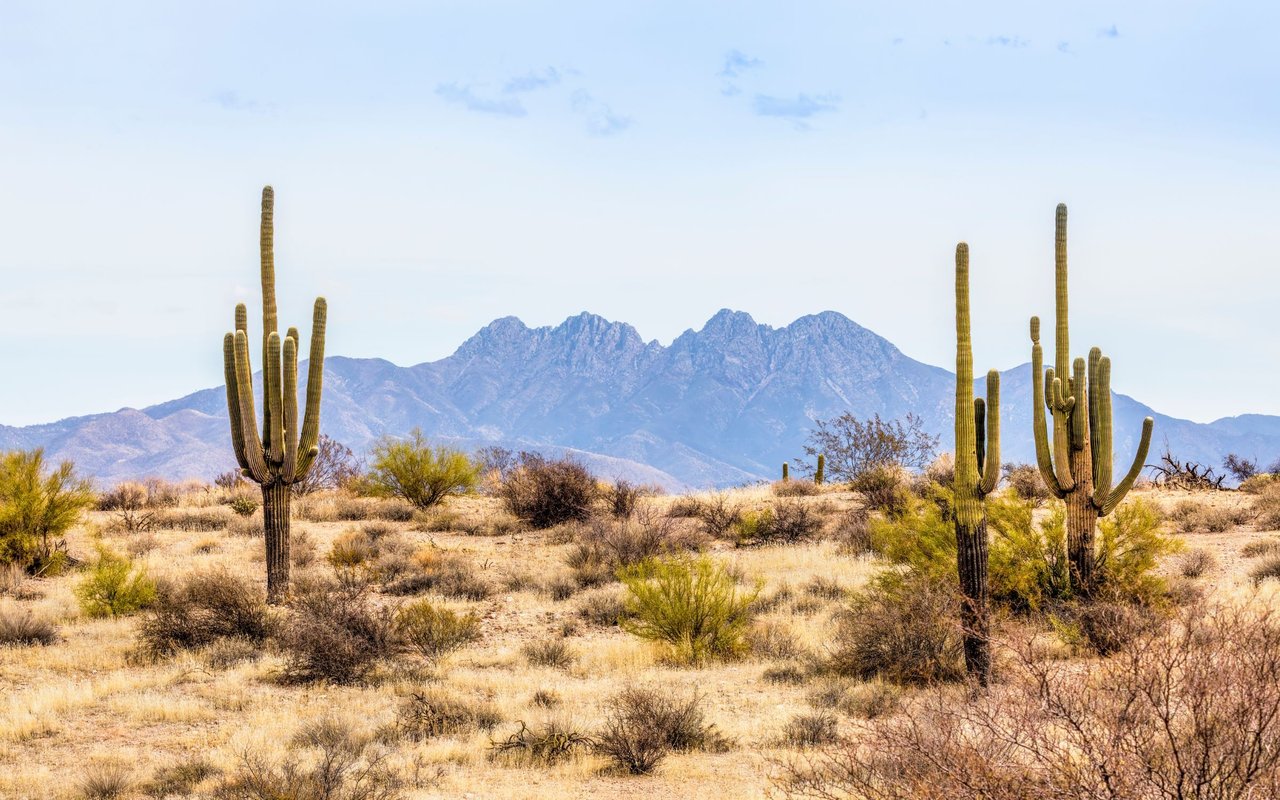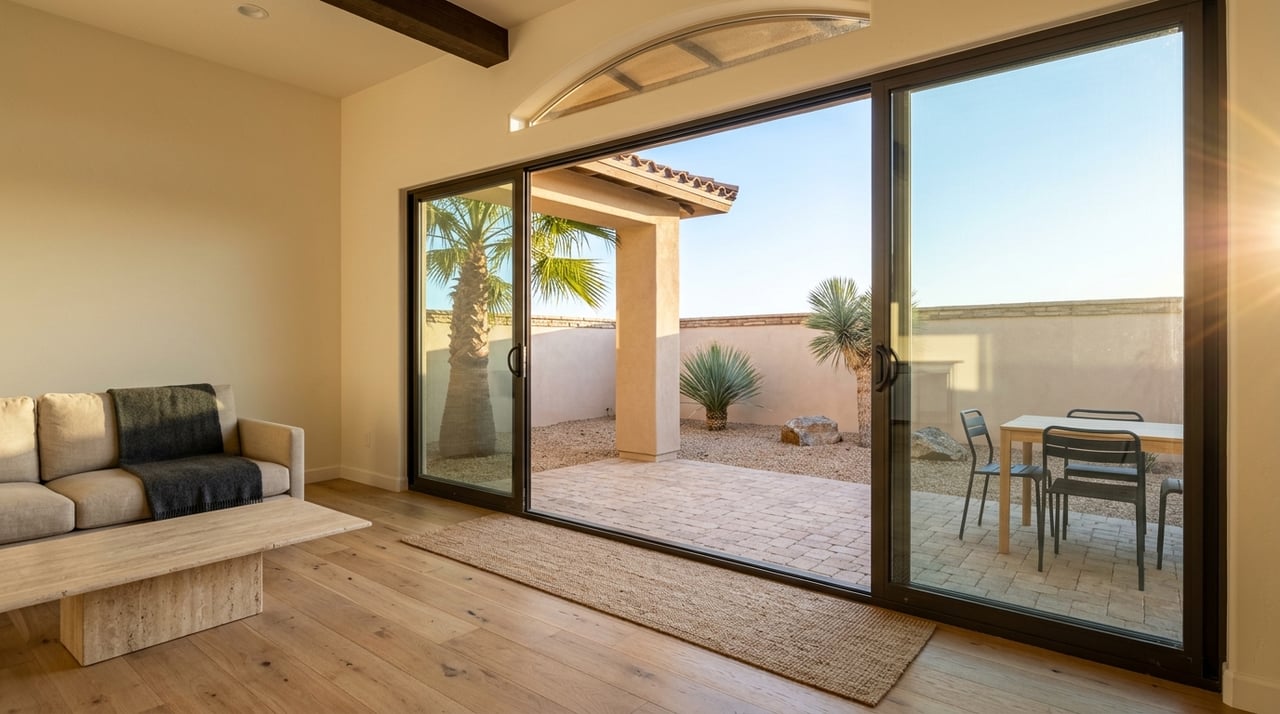
If you are thinking about a move to Lake Los Angeles, you are probably wondering what day-to-day life really feels like, not just what a map or listing says. That is a smart question, especially in a community where space, commute patterns, and local services can shape your routine in a big way. The good news is that Lake Los Angeles offers a quieter, more spread-out lifestyle with a strong residential feel. Here is what you can expect from daily life in this part of the Antelope Valley.
A Quieter Pace in Lake Los Angeles
Lake Los Angeles is an unincorporated community in the eastern Antelope Valley of north Los Angeles County. Census data show a population of 13,187 across 9.74 square miles, with a population density of 1,353.8 people per square mile.
That adds up to a setting that feels less crowded than many parts of greater Los Angeles. For many residents, the appeal is simple: more room, a calmer pace, and a lifestyle that feels more self-directed.
County planning materials also point to an important part of the area’s identity. The Lake Los Angeles Community Standards District became effective in 2024 and is intended to protect the community’s rural character and lifestyle.
What the Homes and Lots Feel Like
Daily life here is closely tied to the way the community is laid out. County planning standards for Lake Los Angeles address things like rural road design, subdivision requirements, landscaping and vegetation protections, animal keeping, home-based occupations, and standards tied to lot size.
In practical terms, that supports a more spread-out residential environment. If you are looking for a place where outdoor space, privacy, and a yard-oriented setup matter, Lake Los Angeles may feel very different from more compact neighborhoods.
The housing data also suggest a stable, established community. Census figures show a 71.8% owner-occupancy rate, and 92.9% of residents lived in the same house one year earlier.
That kind of stability can shape the feel of everyday life. You are not just looking at a place people pass through. You are looking at a community where many residents stay put.
Commute Expectations Matter Here
One of the biggest parts of daily life in Lake Los Angeles is transportation. Census data report a mean commute time of 43.3 minutes for workers age 16 and older.
That number tells an important story. While some everyday errands can happen closer to home, many residents travel to Lancaster, Palmdale, and other regional job centers for work and services.
If you are considering a move, it helps to think through your weekly routine before you buy. A home that feels peaceful and spacious may also come with more drive time built into your day.
Driving Is Often Part of the Routine
LA County materials note infrastructure constraints in the broader Lake Los Angeles, Pearblossom, Llano, and Valyermo area, including limited public transit. They also note that some residents commute long distances to Lancaster, Palmdale, and the Los Angeles Basin.
That means your car will likely play a major role in daily life. School drop-offs, work commutes, shopping trips, appointments, and weekend plans may all involve more planning than they would in a denser urban setting.
Public Transit Options Exist, But They Are Limited
Lake Los Angeles does have regional transit connections through AVTA. Route 50 connects Lake Los Angeles with Lancaster, and Route 51 connects Lake Los Angeles with Palmdale.
AVTA also offers on-request microtransit designed to link rural communities like Lake Los Angeles to the fixed-route system. That said, route frequencies are relatively sparse, with service about every 135 to 145 minutes on Route 50 and about every 130 to 145 minutes on Route 51.
For some residents, those options are helpful. For many households, though, driving remains the more practical choice for day-to-day flexibility.
Local Essentials Close to Home
Lake Los Angeles does offer several core services that support daily living. That can make a real difference if you want a community where at least some basic needs are available without leaving the area.
The Lake Los Angeles Community Clinic provides primary care for children and adults. The Lake Los Angeles Library offers books, computers, internet access, and community programming.
These services help anchor the community. They also add convenience for families, remote workers, students, and anyone who values having key resources nearby.
Health and Safety Services
For medical care, the local clinic covers primary care needs, while urgent care is available in Lancaster and Palmdale. That means routine appointments may be handled locally, but some time-sensitive or specialty needs may require a regional trip.
County service reports identify the local sheriff station in Palmdale and Fire Station 114 in Palmdale. Because Lake Los Angeles is unincorporated, some public services are managed at the county or regional level rather than within a city government structure.
Parks and Weekend Activities
A big part of quality of life is what you can do when the workday ends. In Lake Los Angeles, outdoor recreation is part of the local rhythm.
Stephen Sorensen Park is a key community amenity. It includes fields, courts, splash pads, picnic areas, and organized recreation programs.
For many households, that gives weekends and after-school time a local option. It is the kind of place where you can spend a few hours outside without needing a full day trip.
Nearby Desert Recreation
If you enjoy open landscapes and outdoor outings, the area around Lake Los Angeles gives you more to explore. Nearby recreation includes Tameobit Wildlife Sanctuary and Saddleback Butte State Park.
Saddleback Butte State Park offers hiking, picnicking, camping, and equestrian use in a desert setting. That adds to the appeal for buyers who want access to outdoor space as part of everyday life, not just an occasional getaway.
What a Typical Week May Look Like
Daily life in Lake Los Angeles often comes down to balance. You may enjoy a quieter home environment and more outdoor space, while also planning around longer drives for work, urgent care, or specialized shopping.
A typical weekday might include a commute to Palmdale or Lancaster, followed by evenings spent closer to home. A typical weekend might mix errands, time at Stephen Sorensen Park, and a trip to a nearby outdoor recreation area.
That combination is part of what makes the area distinct. It is not central Los Angeles living, and it is not trying to be.
Who Lake Los Angeles May Appeal To
Lake Los Angeles may be worth a closer look if you value space, a residential atmosphere, and a more rural-oriented setting within the Antelope Valley. It can also appeal to buyers who are comfortable with driving as a regular part of life.
From a housing snapshot, the census reports a median home value of $322,300, median monthly owner cost with a mortgage of $1,816, and median gross rent of $1,530. Average household size is 3.71.
Those numbers help frame what life here may look like financially and practically. For buyers comparing Antelope Valley communities, Lake Los Angeles may stand out for its blend of residential stability, room to spread out, and access to regional destinations.
Final Thoughts on Living Here
If you are looking for a quieter community with a rural character, Lake Los Angeles offers a lifestyle shaped by space, routine, and regional connection. You can handle some essentials locally, enjoy community resources close to home, and still tap into Palmdale and Lancaster for broader services.
The key is knowing what matters most to you. If your ideal day includes more room, a calmer setting, and a home base that feels separate from the pace of the city, Lake Los Angeles may be a strong fit.
If you want help comparing Lake Los Angeles with other Antelope Valley communities, reach out to Maritza Arellano for local guidance you can trust.
FAQs
What is the daily lifestyle like in Lake Los Angeles?
- Daily life in Lake Los Angeles is generally quieter and more spread out, with local essentials nearby but many work commutes and specialty services tied to regional travel.
How long is the average commute from Lake Los Angeles?
- Census data show a mean commute time of 43.3 minutes for workers age 16 and older in Lake Los Angeles.
What public transit is available in Lake Los Angeles?
- AVTA Route 50 connects Lake Los Angeles with Lancaster, Route 51 connects it with Palmdale, and AVTA microtransit helps link rural areas to the fixed-route system.
What local services are available in Lake Los Angeles?
- Lake Los Angeles has a community clinic for primary care, a public library with internet and programming, and Stephen Sorensen Park for recreation.
What kinds of outdoor activities are near Lake Los Angeles?
- Nearby recreation includes Stephen Sorensen Park, Tameobit Wildlife Sanctuary, and Saddleback Butte State Park for hiking, picnicking, camping, and equestrian use.
What is the housing feel in Lake Los Angeles?
- The community has a stable, residential feel shaped by rural development standards, owner occupancy, and housing patterns that suggest more space and privacy than denser areas.