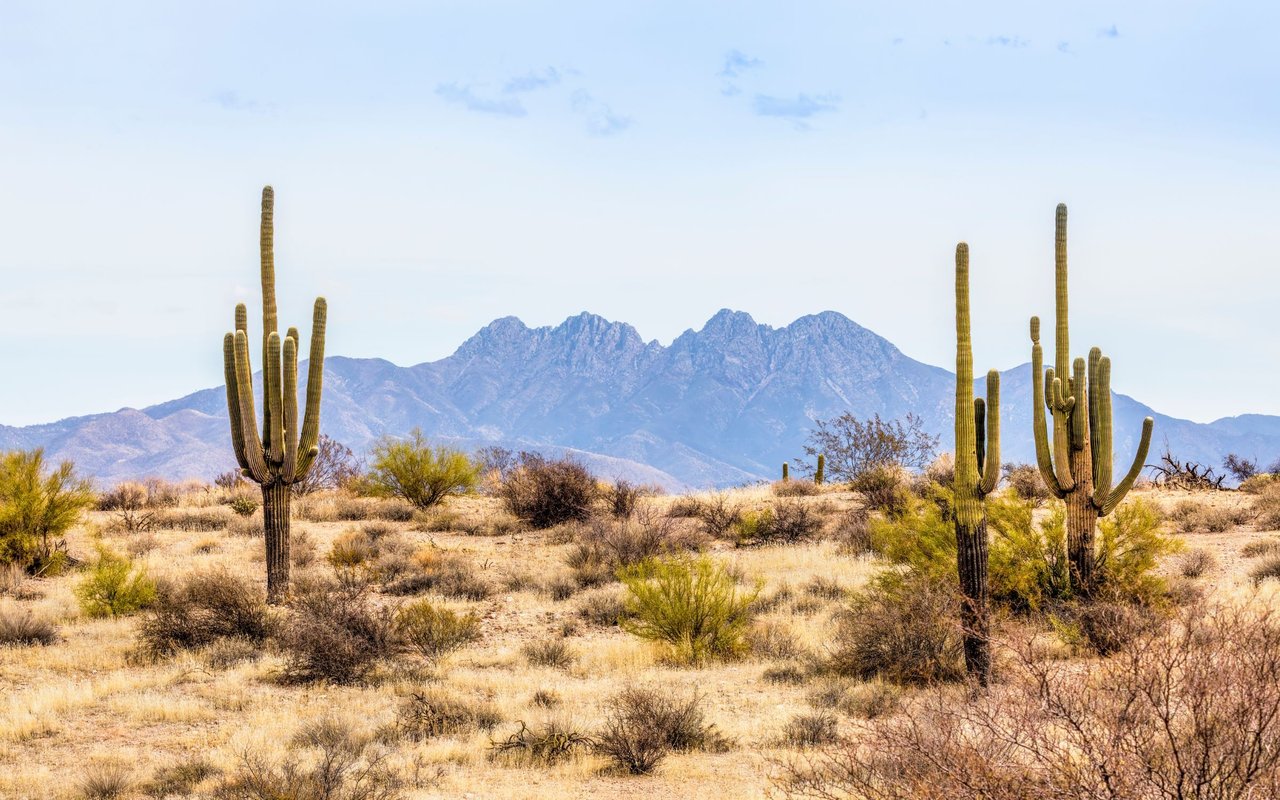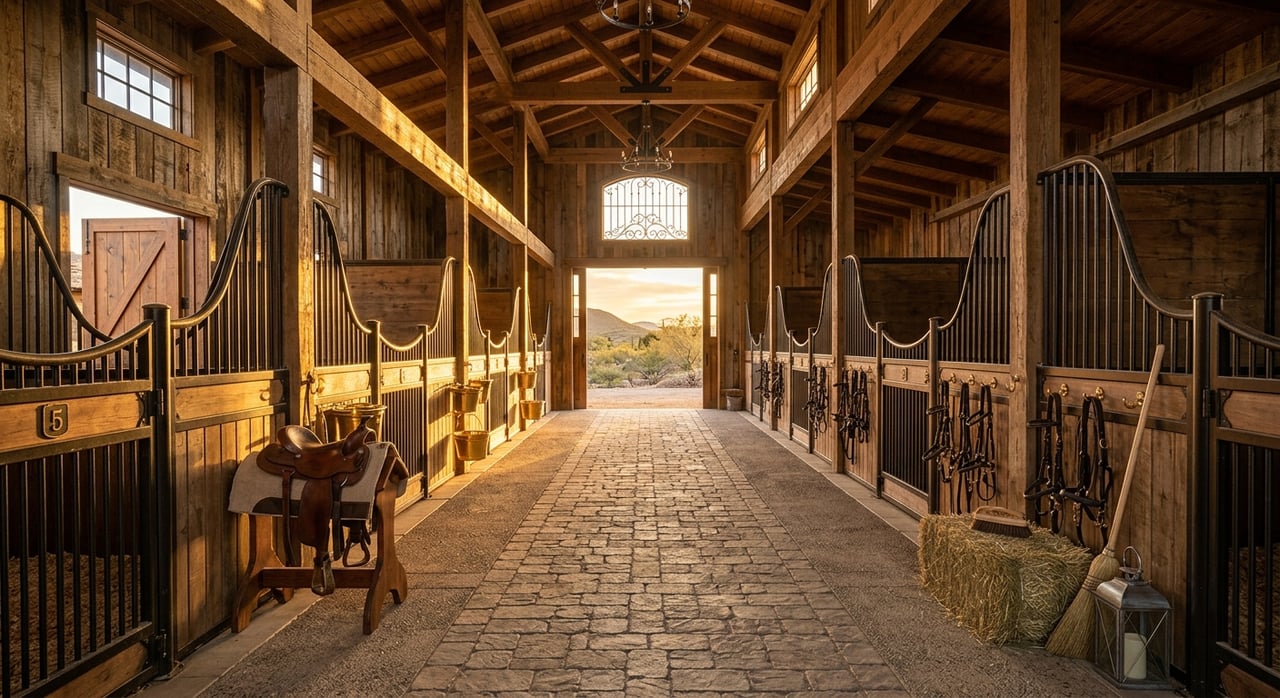
Selling an equestrian property in Acton is not the same as selling a typical house on a suburban street. Buyers are not just looking at the home. They are also evaluating barns, arenas, access, zoning, fire safety, and whether the property’s features match county rules. If you want a smoother sale and fewer surprises, it helps to prepare early and with the right documents in hand. Let’s dive in.
Why Acton sales need extra prep
Acton is in unincorporated Los Angeles County, which means land use and zoning questions are handled by Los Angeles County Planning rather than a city planning department. That matters because the Acton Community Standards District was created to protect the area’s rural, equestrian, and agricultural character, including its trail system.
For sellers, that means buyers may look closely at whether barns, arenas, corrals, driveway changes, grading work, or additions are permitted and consistent with the parcel’s zoning and any overlay rules. In some cases, a ministerial site plan review may be required to confirm compliance. When you can show that your improvements match the approved use, you help reduce uncertainty for buyers.
Verify permits before listing
One of the smartest steps you can take is to confirm what is permitted on your property before it goes on the market. A buyer who is interested in horsekeeping will likely ask whether horse-related improvements were properly approved and whether the parcel allows the intended use.
Start by reviewing records for features such as:
- Barns
- Arenas
- Corrals and paddocks
- Grading work
- Driveway modifications
- Additions to the home or outbuildings
If anything is unclear, it is better to address that upfront than during escrow. Early verification can help you avoid delays, renegotiation, or buyer hesitation later in the process.
Make the horse setup show-ready
A clean and functional horse property usually shows better than one that feels busy or hard to evaluate. Buyers want to see how the property works, not guess through clutter.
Before photos and showings, clear away manure, feed bags, loose tack, temporary fencing clutter, and extra equipment from the main viewing areas. Make stalls, paddocks, turnout areas, and arena footing easy to inspect so buyers can quickly understand the layout and condition.
It also helps to think beyond appearance. In Acton, practical access matters. Buyers may pay close attention to gate width, trailer maneuvering space, and whether service vehicles can move through the property without difficulty.
Focus on fire safety and access
In a rural area like Acton, fire readiness is not just a maintenance issue. It can directly affect buyer confidence. Los Angeles County’s defensible-space program inspects improved parcels and can require hazardous vegetation clearance.
The county also notes that driveways should be built for emergency access. The current fire-code width is 15 feet, and gates should open inward and be wide enough for emergency equipment. If your property has overgrown vegetation, tight access points, or blocked routes, those issues can stand out during showings and inspections.
A simple pre-listing checklist can help:
- Clear hazardous vegetation around the home
- Open up main access routes
- Confirm driveway width where possible
- Check that gates open inward
- Remove obstacles that could affect emergency access
These steps can make the property look better, function better, and feel easier for a buyer to own.
Gather key rural property records early
Equestrian properties often come with more paperwork than a standard home sale. The earlier you gather it, the easier it is to answer buyer questions with confidence.
For many Acton properties, well and septic information is especially important. Los Angeles County Public Health reviews and approves onsite wastewater systems in unincorporated county areas, conducts field inspections, and performs record searches. Private well guidance also highlights setback concerns from septic tanks, livestock yards, and other possible contamination sources.
Before listing, try to assemble:
- Well records, if available
- Septic system records and approvals
- Inspection or maintenance records you already have
- Property maps or site plans
- Permit records for structures and site improvements
Having these materials ready can save time once a buyer begins due diligence.
Prepare disclosures carefully
California sellers of 1-to-4 unit residential property generally must provide a Transfer Disclosure Statement before title transfer. The California Department of Real Estate explains that the TDS is a condition disclosure, not a warranty, and that expert reports can support required disclosures.
For rural and equestrian properties, this step deserves extra care. If you know about issues involving fuel or chemical storage tanks, contaminated soil, or water concerns, those conditions may need to be disclosed. If the home was built before 1978, federal lead-based paint disclosure rules also apply, including the EPA pamphlet and a buyer inspection opportunity.
California’s Natural Hazard Disclosure rules may also require disclosure of mapped hazards when applicable, including:
- Flood zones
- Dam inundation zones
- Very high fire hazard zones
- Wildland fire zones
- Earthquake fault zones
- Seismic hazard zones
These hazards can affect development, insurance, or disaster assistance, so buyers often pay close attention to them.
Understand buyer due diligence
Buyers shopping for an Acton horse property usually ask different questions than buyers shopping for a standard home. They want to know not only whether the home suits them, but also whether the land and improvements support their plans.
Common questions often include whether horsekeeping is allowed on the exact parcel, whether barns or arenas were permitted, whether county well or septic records are available, and whether the property has enough defensible space and emergency access. Buyers may also ask how much acreage is truly usable for turnout, parking, and trailer maneuvering.
When you anticipate these questions before listing, you put yourself in a stronger position. Clear answers can help a buyer feel comfortable making an offer and moving forward with fewer delays.
Expect a longer inspection lens
Specialized properties often require more buyer diligence than a standard residential sale. In Acton, that may include permit verification, site inspections, well and septic review, fire-clearance review, and lender or insurance questions tied to the parcel’s hazard profile.
That does not mean your sale has to be difficult. It simply means preparation matters more. A well-organized seller can often remove friction by presenting records early and making the property easier to inspect.
Timing can affect your sale
Timing is one of the biggest reasons to prepare in advance. When required disclosures are delivered after a purchase agreement is signed, California law gives the buyer a limited right to terminate.
That is why it is wise to gather permits, maps, and inspection-related information before the property is actively marketed. A little work upfront can help create a smoother escrow and reduce the chance of last-minute surprises.
A practical pre-listing checklist
If you are getting ready to sell your equestrian property in Acton, focus on the basics that matter most to buyers and their inspectors.
Use this checklist as a starting point:
- Verify zoning and approved use with Los Angeles County records
- Gather permit records for barns, arenas, grading, driveways, and additions
- Clean and declutter stalls, paddocks, arenas, and storage areas
- Check gate function, driveway access, and trailer maneuvering space
- Clear hazardous vegetation and improve defensible space
- Collect well and septic records
- Review known property conditions for disclosure purposes
- Prepare natural hazard disclosure information when applicable
- Organize documents before the property goes live
Why local guidance helps
Selling a property with horse facilities, rural systems, and land-use questions takes a different level of preparation than a typical home sale. You want marketing that highlights the property’s value, but you also want the paperwork and property condition to support that story.
That is where responsive, organized guidance can make a real difference. When you prepare early, answer buyer questions clearly, and keep the process moving, you give yourself the best chance at a cleaner, more confident sale.
If you are planning your next move, Maritza Arellano can help you prepare your Acton property for the market with local insight, clear communication, and a strategy built to keep your sale on track.
FAQs
What should you verify before selling an equestrian property in Acton?
- You should verify whether horsekeeping is allowed on the parcel and whether features like barns, arenas, corrals, grading work, driveway changes, and additions are permitted and consistent with county requirements.
What records matter most for an Acton horse property sale?
- The most helpful records often include permit documents, well records, septic system records, site plans, and any inspection or maintenance records you already have.
What fire safety issues can affect an Acton property sale?
- Buyers may look at defensible space, hazardous vegetation clearance, driveway access, gate operation, and whether the property appears accessible for emergency equipment.
What disclosures are commonly important for rural residential property in Acton?
- Important disclosures may include the Transfer Disclosure Statement, natural hazard disclosures when applicable, known environmental conditions, and lead-based paint disclosures for homes built before 1978.
Why should you prepare disclosures before listing an Acton equestrian property?
- Early preparation can help reduce delays because if required disclosures are delivered after a purchase agreement is signed, the buyer may have a limited right to terminate under California law.