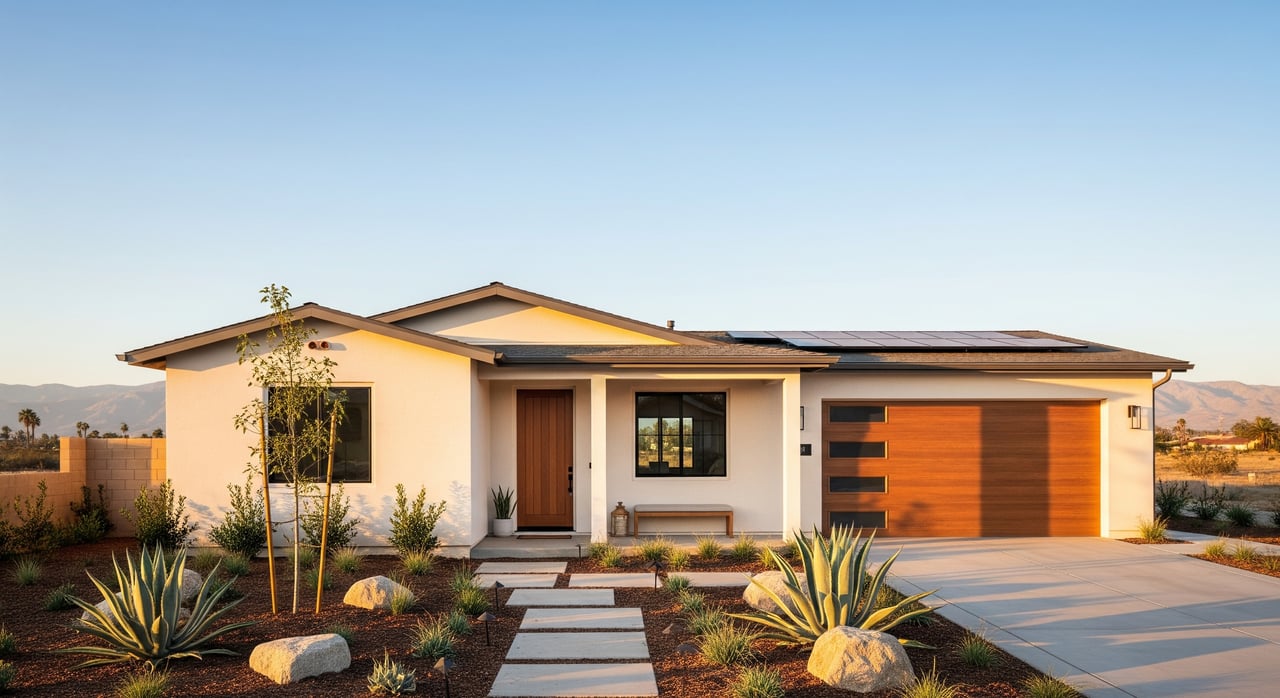
Buying your first home in Lancaster can feel exciting and a little overwhelming. You want space, value, and a clear path to the keys without surprises. The good news: with the right plan tailored to the Antelope Valley, you can move from browsing to closing with confidence. In this guide, you’ll learn what a Lancaster starter home looks like, how to read listings, what to inspect, how financing works, and the timeline to expect. Let’s dive in.
What a starter home means in Lancaster
A starter home is your first step into homeownership. In Lancaster, that often means:
- Single-family homes on modest lots in established or newer tract neighborhoods.
- Occasional townhomes or condos, though these are less common than single-family options.
- Manufactured or mobile homes as lower-cost alternatives with different financing rules.
You’re trading longer commute times for more space and relative affordability compared with coastal Los Angeles. Many buyers choose Lancaster for yard size, value per square foot, and community feel.
Lancaster snapshot: commute, climate, lifestyle
Lancaster sits in the Antelope Valley at the northern edge of Los Angeles County. Many residents commute to the San Fernando Valley, central Los Angeles, or local aerospace employers. The SR‑14 is the main freeway, and Metrolink’s Antelope Valley Line connects Lancaster Station to Los Angeles Union Station. Rail is a helpful option, but commute times can be longer than many other LA‑area routes.
The high-desert climate shapes how homes live and age. Summers are hot, winter nights can be cool or cold, and seasonal winds bring dust. This puts extra focus on cooling systems, roof and exterior maintenance, and water-wise landscaping. Some areas face wildfire and wind risks, so it’s smart to evaluate insurance options and check current risk maps during due diligence. Water supply and drought concerns also matter, so note irrigation systems and whether yards are drought tolerant.
Property types you’ll see
- Single-family detached homes. The most common starter choice, ranging from older ranch-style houses to newer production builds.
- Condos and townhomes. Available in pockets. Expect HOA rules and monthly dues.
- Manufactured or mobile homes. Lower purchase prices are possible, but financing, title, and insurance differ from standard homes.
- Planned communities. Newer subdivisions may include HOAs, shared amenities, and rules about property appearance.
Typical lots are larger than many parts of central LA. Newer homes may have modern layouts but smaller footprints than older ranch homes. Older homes might need updates like windows, kitchens, insulation, or mechanical upgrades. Stucco exteriors and tile roofs are common, so keep an eye out for cracks, flashing, and water intrusion points.
Read listings like a local pro
Key fields to check first
- Year built, square footage, and lot size. Compare to assessor records for accuracy.
- Beds, baths, and parking. Garage size and carport details matter in a car‑centric area.
- Price history. Days on market, reductions, and prior sales help with negotiation strategy.
- Photos and disclosures. Watch for inconsistencies or missing rooms.
- HOA details. If relevant, review dues, rules, and special assessments.
Red flags to catch online
- “As‑is” with minimal detail or vague condition notes.
- Multiple price drops or very long days on market that aren’t explained.
- Missing photos of key areas, or staging that seems to hide unfinished sections.
What to verify in person
- Measure living area and compare with public records.
- Check yard slope and drainage; look for pooling water or grading issues.
- Test plumbing fixtures and note water pressure or discoloration.
- Run heating and cooling; reliable A/C is essential in summer.
- View the roof for age, missing tiles, or sagging.
- Scan walls and ceilings for cracks and floors for unevenness.
- Open and close windows and doors to check seals and energy performance.
- Ask for recent electric and water bills, especially for summer months.
- Look for signs of pests and request prior termite reports if available.
What to ask and inspect
Smart questions for the seller or listing agent
- Why is the property being sold, and how long has the seller owned it?
- What major work was completed, when, and with permits?
- Ages of the roof, HVAC, water heater, and electrical panel.
- Any history of termites, water intrusion, mold, or foundation work?
- Known area issues such as aircraft noise or wind and dust?
- Any special assessments, liens, or legal encumbrances?
- Is the home in a zone that affects insurance for flood, earthquake, or wildfire?
High‑desert inspection priorities
- Structure and foundation for settlement or cracking.
- Roof, stucco, and flashing for wear and water intrusion.
- HVAC and ductwork capacity and maintenance; cooling is a top priority.
- Plumbing, including hard water impacts and older sewer laterals.
- Electrical panel capacity and wiring type in older homes.
- Termite and pest inspection, with clearance or treatment plan.
- Landscaping and irrigation for water use and xeriscape potential.
- Environmental items in older homes, such as asbestos or lead paint.
If issues pop up, use these levers
- Ask for repairs or a credit at closing based on contractor estimates.
- Negotiate a price reduction in lieu of repairs.
- Request a home warranty for major systems for the first year.
Know the rules: zoning, HOAs, and ADUs
California allows accessory dwelling units, but local permitting standards still apply. If you see a garage conversion or separate unit, confirm permits and final inspections. In newer subdivisions, review HOA rules, dues, and any restrictions that affect parking, landscaping, or exterior changes. For any planned projects, check local zoning for setbacks, lot coverage, and easements.
Finance your starter home
You have several common loan paths. Program details, limits, and eligibility change often, so confirm current guidelines with a lender and relevant agencies.
- Conventional loans. Down payments as low as 3% for qualified buyers. Private mortgage insurance applies with less than 20% down.
- FHA loans. 3.5% down with flexible credit standards. Understand mortgage insurance costs and how long they apply.
- VA loans. Zero‑down for eligible service members and veterans. Verify your certificate of eligibility.
- USDA loans. Zero‑down in eligible areas and property types. Availability depends on location and program rules.
- State and local assistance. CalHFA programs and Los Angeles County or city resources can offer down payment help and education. HUD‑approved counseling may unlock grants or second‑mortgage options.
If you’re considering manufactured housing, confirm the home’s foundation, title status, and lender requirements early. This avoids surprises during underwriting.
Timeline: search to keys
- House‑hunting. Weeks to several months, depending on your price range and criteria.
- Offer and negotiation. A few days to a couple of weeks.
- Escrow and loan processing. Commonly 30 to 45 days for conventional deals; it can be longer with appraisal or underwriting issues.
- Inspection contingency. Often 7 to 10 days for inspections, estimates, and repair negotiations.
- Appraisal. After you’re in contract; value can affect your loan approval.
- Final walkthrough and closing. Within the escrow period. You’ll sign final documents, fund the loan, and get the keys when the transaction records.
Costs beyond the price
- Closing costs. Loan fees, title, escrow, transfer taxes, and prepaid items.
- Property taxes. California’s Proposition 13 caps annual increases, but expect a reassessment at purchase and possible supplemental tax bills.
- Insurance. Homeowners coverage plus optional earthquake and wildfire coverage where needed. Check premiums early.
- HOA dues. If you buy in an association, review monthly costs and potential special assessments.
- Maintenance reserves. Budget for roof and A/C replacement cycles, window upgrades, and possible landscape conversion to reduce water use.
Lancaster vs. nearby Antelope Valley cities
- Palmdale. Similar climate and commuting patterns, with different housing pockets and transit connections. Many buyers compare prices, inventory, and commute routes between the two cities.
- Quartz Hill, Littlerock, Rosamond. Smaller communities with more rural or semi‑rural lots. You may see more acreage and manufactured homes. Water and septic conditions can differ by area.
As you compare, focus on housing mix, transit access points, commute distance to your job center, local amenities, and the boundaries of school districts. Use neutral, factual sources for district maps and confirm any program details directly with the districts.
Smart next steps
- Get preapproved. Know your budget, monthly payment, and closing cost ranges.
- Define must‑haves. Beds, baths, commute, yard size, HOA tolerance, and energy needs.
- Set search alerts. Track days on market and price changes to gauge negotiability.
- Tour early and often. Verify condition in person and collect utility history.
- Line up inspectors. Choose general, termite, and any specialty inspectors up front.
- Check permits. Confirm work on additions, roofs, electrical upgrades, and ADUs.
If you want a fast, local plan built for Lancaster, connect with a team that lives and works this market every day. You’ll get the neighborhood context, escrow experience, and responsiveness that make first purchases smoother. When you’re ready, reach out to Maritza Arellano for a simple path from preapproval to closing.
FAQs
What should a first‑time buyer expect in Lancaster?
- You’ll see mostly single‑family homes, with some condos and manufactured options. Plan for desert climate needs, longer commutes, and HOAs in newer tracts.
How do I spot listing red flags before touring?
- Be cautious with vague “as‑is” language, long days on market, repeated price cuts, and missing photos of key areas like the kitchen, roof, or mechanicals.
What inspections matter most for high‑desert homes?
- Prioritize roof, HVAC and ducting, stucco and flashing, plumbing pressure, electrical panel capacity, termite inspection, and yard drainage.
Can I finance a manufactured home in Lancaster?
- Yes, but the rules differ. Confirm the home is permanently sited and titled as real property, and check lender requirements early in your process.
How long does it take to close on a starter home?
- After your offer is accepted, most conventional escrows take about 30 to 45 days, plus a 7 to 10 day window for inspections and repair negotiations.
What help exists for down payments and closing costs?
- CalHFA, HUD‑approved counseling agencies, and local programs may offer assistance or education. Program rules change often, so verify current eligibility.