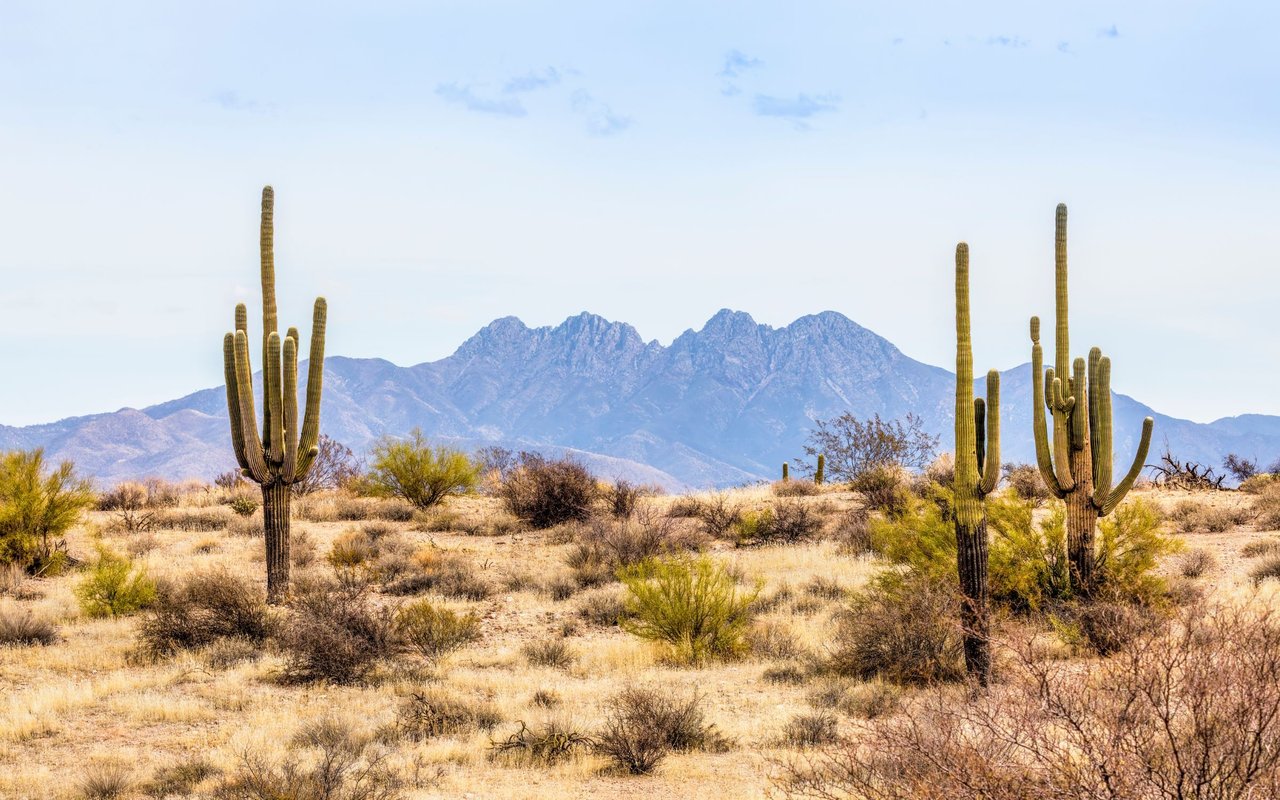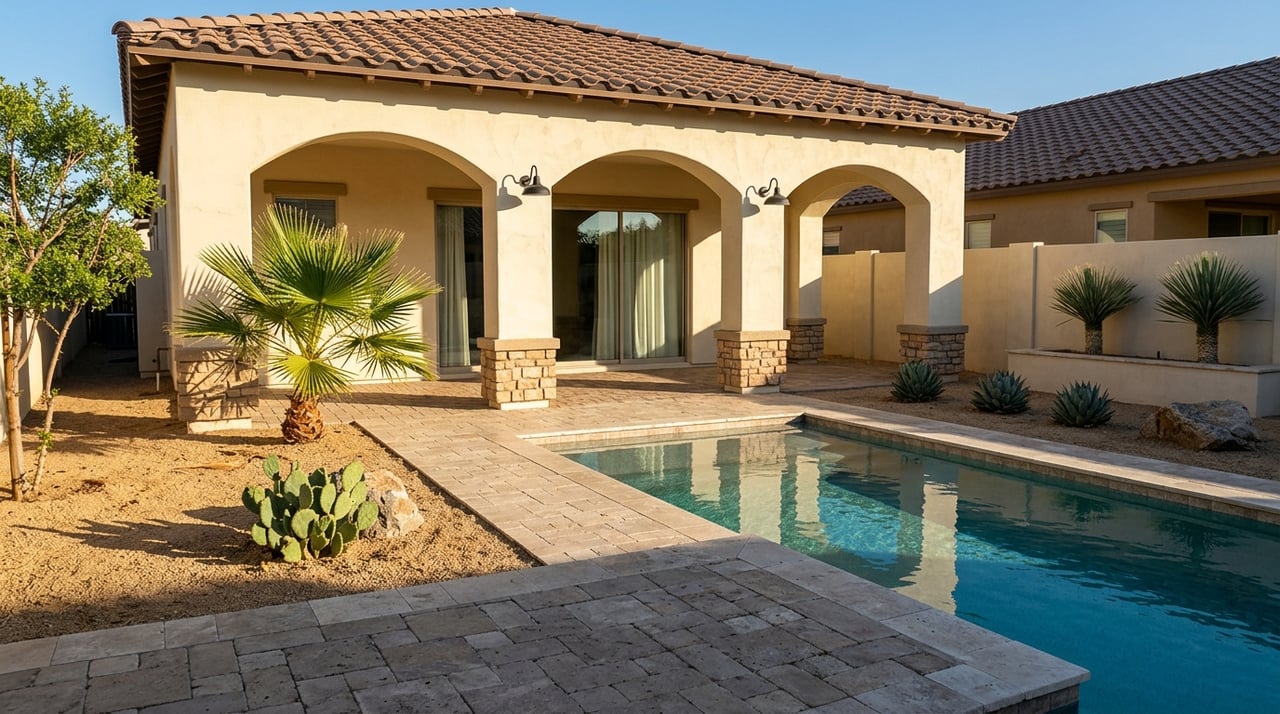
Looking for a place where your home can match a quieter pace of life? In Mojave, daily living often centers on space, practical home features, and easy access to regional job hubs rather than dense, close-packed neighborhoods. If you are thinking about buying, selling, or simply getting to know the area better, this guide will help you understand what home styles and everyday life in Mojave really look like. Let’s dive in.
Mojave at a glance
Mojave is a small high-desert community in Kern County with 5,173 residents spread across 58.4 square miles. That works out to about 88.6 people per square mile, which gives the area a distinctly low-density feel. The median age is 31.1, and the overall profile points to a practical, value-oriented market.
The numbers also help explain the local lifestyle. Census data show a median household income of $55,660, a median owner-occupied home value of $213,600, and a mean travel time to work of 31.5 minutes. In simple terms, many people choose Mojave for more room, a quieter setting, and access to the wider region.
Home styles in Mojave
Mojave does not read like a standard tract-home suburb with one dominant home type. Planning documents for the Mojave Specific Plan area allow a mix that includes single-family units, multiple-family units, mobile homes, and limited commercial development. That creates a housing landscape with more variety than many buyers expect.
Kern County assessor categories also separate single-family residences from manufactured-home combinations. For you as a buyer or seller, that matters because it reflects a local housing mix that can include detached homes in town, manufactured-style housing, and properties with a more flexible land-use feel on the edges of the community.
Detached homes in the core
In the more established parts of Mojave, you will often find detached homes that fit a straightforward, practical lifestyle. These homes may appeal to buyers who want a traditional residential setup without the density of a larger metro area. The feel is generally more spread out and less uniform than many suburban neighborhoods.
County zoning standards add helpful context. Minimum lot sizes in R-1, R-2, and R-3 zones are 6,000 square feet, while Estate zones require at least one-quarter acre. That does not mean every property follows the same pattern, but it does support the idea that Mojave homes often come with usable outdoor space.
Manufactured and mixed housing options
Another part of Mojave’s housing story is flexibility. Because local planning and county classifications include manufactured-home combinations and mobile-home categories, buyers may come across options that serve different budgets and ownership goals. This can be especially useful if you are looking for an entry point into homeownership or comparing housing styles based on maintenance and lot use.
For sellers, this mix means your property should be positioned based on what it actually offers, not forced into a one-size-fits-all comparison. A manufactured-style home on land may attract a different buyer than a detached home in the core, and understanding that difference can help your pricing and marketing strategy.
Larger parcels on the outskirts
As you move toward the edges of town and into surrounding plan areas, the land pattern can shift. One Kern County CEQA document references Mojave Specific Plan land with a minimum 20-acre parcel designation. That supports describing some outlying properties as acreage-oriented or semi-rural.
If you want room for equipment, added privacy, or a more open desert setting, these properties may stand out. They can offer a very different daily experience from homes closer to the town center, even if both fall under the broader Mojave umbrella.
What daily life feels like in Mojave
Daily life in Mojave is shaped by the high-desert environment and a car-centered routine. You are less likely to choose the area for walkability and more likely to choose it for space, lower-density living, and regional access. For many residents, that tradeoff is part of the appeal.
The area’s average commute time of 31.5 minutes supports the idea that travel is part of everyday life. Whether you work locally or commute to nearby employment centers, planning around driving time is simply part of the rhythm here.
Commuting and regional connections
Even though Mojave is car-oriented, there is meaningful transit infrastructure in the area. AVTA operates local and commuter bus service, including 13 local routes, three commuter routes, and transfer centers in Lancaster and Palmdale. This gives residents additional options for reaching work and regional destinations.
Two routes are especially relevant for Mojave. Route 747 serves Rosamond and Edwards Air Force Base, and Route 748 serves Mojave Air & Space Port. For some buyers, that commuter access can be an important part of the decision when balancing housing costs, location, and work routines.
Mojave also connects to the wider regional network through Lancaster. Metrolink’s Lancaster station lists AVTA as a connection and includes commuter amenities such as free parking, restrooms, and a waiting room. If your work or regular travel takes you farther south, Lancaster becomes part of the practical map of daily life.
Errands, services, and everyday stops
Mojave offers key community services, but many larger trips may still lead you into Palmdale or Lancaster. AVTA highlights regional destinations such as Antelope Valley Hospital, Palmdale Regional Medical Center, Antelope Valley College, Antelope Valley Mall, Palmdale Station, and Lancaster Station. That suggests some medical, shopping, and rail-related needs are often handled outside town.
Within Mojave itself, there are useful local anchors. The Kern County Library’s Mojave Branch is located at 15555 O Street, and Mojave East Park is at 15580 O Street. These are the kinds of places that support day-to-day life without overstating Mojave as a full-service urban center.
Schools and utility services
Mojave Unified School District serves Mojave and California City with TK-12 and adult education. The California Department of Education lists the district as active and based in Mojave. For households comparing locations, that is a straightforward part of the local service picture.
Water and sewer services are handled by Mojave Public Utility District. Its mission emphasizes reliable water and wastewater service, and a local special-district directory lists 1,312 service connections with supply from six wells plus AVEK. For homeowners, local utility structure is part of what makes daily living in Mojave function smoothly.
The Mojave Air & Space Port effect
One of Mojave’s most recognizable landmarks is the Mojave Air & Space Port. Its official site describes it as a 3,300-plus-acre civilian aerospace test center. That gives the community a distinctive identity that sets it apart from many other small desert towns.
The Air & Space Port is not just an economic anchor. It also shapes how some people experience the area, whether through work, industry interest, or local events such as monthly Plane Crazy Saturdays. If you are drawn to places with a strong aerospace connection, Mojave has a character that is hard to duplicate.
Home features that fit Mojave living
In a high-desert community, the right home features can make a real difference in comfort and upkeep. Practical design matters here. Buyers often benefit from looking beyond square footage and paying close attention to how a property handles sun, dust, and outdoor maintenance.
Some of the most useful features for Mojave living include:
- Shade around entries, patios, and windows
- Efficient cooling systems
- Drought-tolerant landscaping
- Dust-resistant flooring and finishes
- Covered parking
- Covered patios or outdoor sitting areas
- Low-maintenance exterior materials
These are not trendy extras. In Mojave, they are often part of what helps a home feel easier to live in year-round.
Who Mojave may appeal to most
Mojave can make sense for buyers who value affordability, space, and a more relaxed setting. Based on the local population density, home values, commute patterns, and housing mix, the area may appeal to people who are comfortable driving for some services and who want more room than they might find in many Southern California markets.
It can also appeal to buyers who want proximity to desert employment centers or aerospace-related work. And for some sellers, Mojave’s value story is an advantage because it opens the door to buyers looking for practical options and a lower-cost entry point.
What this means if you are buying or selling
If you are buying in Mojave, it helps to think about lifestyle fit as much as property specs. The right home for you may depend on whether you want an in-town detached home, a manufactured-style option, or a larger parcel on the outskirts. Your commute, maintenance preferences, and need for outdoor space should all factor into the decision.
If you are selling, context matters. Mojave is not one uniform market, so your home should be presented based on its location, lot type, and practical advantages. A responsive local team can help you position your property clearly and reach the buyers most likely to see the value in it.
Mojave offers a distinct version of high-desert living: more room, a slower pace, and a daily routine built around practicality. If that sounds like the kind of move you are considering, working with a team that understands the Antelope Valley and surrounding communities can make the process much smoother. When you are ready to talk through your next step, connect with Maritza Arellano.
FAQs
What kinds of homes can you find in Mojave, CA?
- Mojave has a mixed housing landscape that includes detached single-family homes, multiple-family housing, mobile-home categories, manufactured-home combinations, and some larger semi-rural parcels farther from the town core.
What is daily life like in Mojave, CA?
- Daily life in Mojave is generally low-density and car-centered, with many residents balancing local living with regional commuting for work, shopping, medical services, and other errands.
Are lot sizes in Mojave, CA usually larger?
- Kern County zoning standards show minimum lot sizes of 6,000 square feet in R-1, R-2, and R-3 zones, with at least one-quarter acre in Estate zones, and some outlying plan-area land is designated at much larger parcel sizes.
Is Mojave, CA a good fit if you commute?
- Mojave can work for commuters because AVTA operates local and commuter routes, including service to Mojave Air & Space Port and Edwards Air Force Base, with connections to Lancaster and Palmdale.
What services are available in Mojave, CA?
- Mojave has local resources such as the Mojave Branch of the Kern County Library, Mojave East Park, Mojave Unified School District, and utility service through Mojave Public Utility District, while some larger services are commonly accessed in Lancaster or Palmdale.