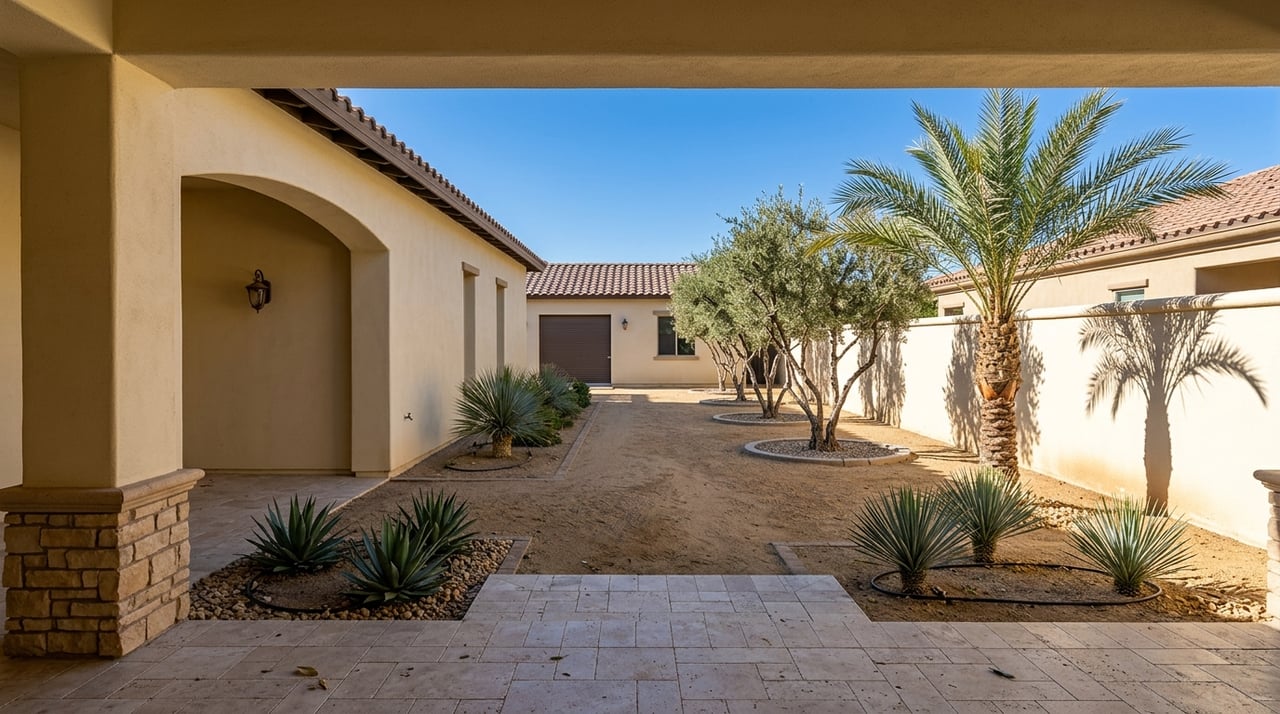
Looking for a home where you can spread out a little more? In Littlerock, extra space can mean room for vehicles, equipment, outdoor projects, or simply more breathing room than you may find in denser parts of Los Angeles County. If you are thinking about buying a Littlerock home with a larger lot, it helps to know what drives value, what questions to ask, and where due diligence matters most. Let’s dive in.
Why extra space stands out in Littlerock
Littlerock has a different feel from many urban markets in Los Angeles County. According to the Antelope Valley Area Plan, Littlerock and nearby Sun Village are part of southeastern Antelope Valley communities that aim to remain unincorporated rural communities with distinct local identities.
That rural context matters when you start shopping for a home with more land. A bigger lot may give you more flexibility, but it can also mean fewer city-style services and more property-specific questions about utilities, access, drainage, and permitted uses.
What the market says right now
The latest market snapshot shows a median sale price of $393,000 in Littlerock as of January 2026. The median sale price per square foot was $362, and homes spent a median of 39 days on market.
At the same time, homes with more usable land and stronger improvements can price much higher than the overall median. Current examples include a roughly 0.92-acre ranch-style property listed at $625,000, a roughly 0.91-acre property with an attached ADU listed at $695,000, and a recently sold 2.41-acre property that closed at $702,495.
The key takeaway is simple: in Littlerock, extra space does not have one fixed price tag. Based on current listing examples, value appears to depend less on lot size alone and more on how usable the land is, what improvements are already in place, and whether important infrastructure has already been addressed.
Why usable land matters more than raw acreage
Not every large lot works the same way. The Antelope Valley Area Plan notes that some parts of Littlerock are planned at very low density, including areas with a maximum density of one home per five gross acres, while rural preserve areas are even lower density.
The plan also supports light agriculture, equestrian use, and animal keeping in rural town areas when zoning requirements are met. That means your plans for the property should always be checked against the actual parcel zoning, not just the marketing remarks in a listing.
If you are dreaming about space for orchards, horses, corrals, barns, an ADU, or hobby uses, you will want to verify what is allowed before you commit. In a market like Littlerock, intended use is a major part of the buying decision.
Utilities can shape your buying experience
One of the biggest differences between a standard city lot and a larger rural property is how utilities work. In Littlerock, Los Angeles County Waterworks District 40 serves the area, and its 2024 consumer confidence report states that the water met or surpassed health-based drinking water standards.
That same report says about 55% of the district’s water came from treated surface water and about 45% came from groundwater. It also states that the district completed its lead service-line inventory in October 2024 and found no lead or galvanized service lines requiring replacement in the distribution system.
Still, not every property will connect to the same type of utility setup. Some homes may be on district water, while others may rely on private wells or onsite wastewater systems, which can change the questions you need to ask.
Private well questions to ask
If a property uses a private well, Los Angeles County guidance says new, repaired, or reconstructed wells must meet California drinking water standards before use. The county also states that private well owners are responsible for regular testing.
Routine testing should include items such as:
- Nitrate
- Coliform bacteria
- Primary inorganic chemicals
If you are considering a home on a private well, ask for recent water test results and any county approvals, repair records, or related documentation.
Septic and onsite wastewater questions
If a property is not on a central sewer connection, it may use an onsite wastewater treatment system, often called a septic system. Los Angeles County health officials review and approve these systems in unincorporated areas, and the county notes that they are common in suburban and rural locations.
For a buyer, this means you should ask for:
- Permit history
- The last pumping date
- Any available evaluations
- Repair or replacement records
A newer or recently serviced septic system can be a meaningful advantage, especially on a property where you are already balancing several moving parts.
Site conditions deserve close attention
Extra space can be exciting, but more land also means more ground conditions to understand. The Antelope Valley Area Plan says some portions of the Littlerock area are largely undeveloped, are generally not served by existing infrastructure, and may be subject to flood-zone hazards.
That does not mean every larger lot has a problem. It does mean you should avoid assumptions and treat each property as its own case. Drainage, access, lot layout, and service availability can all affect how practical the property is for your goals.
Improvements can add real value
On larger properties, the house itself is only part of the story. Features like workshops, sheds, corrals, fencing, rear access, RV access, water storage, utility connections, and solar can make a major difference in day-to-day use.
One current Littlerock listing shows how these improvements can stack together on a single property, with owned solar, a new septic system, a workshop, RV access, a shed, and water and electrical service in the back. That kind of setup helps explain why some homes with acreage can command prices well above the town’s broader median.
Still, it is important to separate present from permitted. Ask which additions and structures were properly permitted and whether they meet current requirements for setbacks, access, and ongoing use.
What to ask before you make an offer
When you tour a Littlerock home with extra space, bring a more detailed checklist than you would for a typical suburban home. A smart showing and inspection process can save you time, money, and stress later.
Here are some of the most important questions to ask:
- Is the property on District 40 water or a private well?
- If it uses a well, are recent water test results available?
- Is the property on sewer or an onsite wastewater treatment system?
- If it uses septic, what is the permit and service history?
- What is the parcel zoning?
- Do your planned uses fit that zoning?
- Are any portions of the lot affected by flood-zone issues or other site limitations?
- Which improvements were permitted, and which are simply present on the property?
This is where local guidance matters. A home with extra space can be a great fit, but only if the property supports the way you plan to use it.
Who Littlerock extra-space homes may suit
A larger-lot home in Littlerock can appeal to several kinds of buyers. You might be looking for more room between neighbors, more outdoor utility, or a property that supports hands-on projects and equipment storage.
It can also appeal to buyers who understand that a more rural setting often comes with more self-management. In exchange for the extra elbow room, you may need to spend more time reviewing utility records, zoning details, permits, and maintenance items than you would on a smaller city lot.
How to buy with more confidence
If you are serious about buying a Littlerock home with extra space, the best move is to focus on fit, not just lot size. A property with less acreage but better utility access, cleaner records, and more useful improvements may serve you better than a larger parcel with unanswered questions.
It also helps to move with a clear plan. If you know how you want to use the land, what systems you are comfortable managing, and which records you need to review, you can shop faster and make stronger decisions.
In Littlerock, more space can open up more possibilities. You just want to make sure the land, infrastructure, and permitted uses all line up with those possibilities before you close.
If you want help finding the right fit in Littlerock or anywhere in the Antelope Valley, connect with Maritza Arellano for responsive, local guidance that helps you move forward with clarity.
FAQs
What does extra space usually cost in Littlerock home listings?
- Littlerock’s overall median sale price was $393,000 in January 2026, but current and recent larger-lot examples ranged from the mid-$600,000s to just over $700,000 when usable land and improvements were strong.
What should buyers ask about water service for a Littlerock property?
- You should ask whether the property is on Los Angeles County Waterworks District 40 or a private well, and if it is on a well, request recent test results plus any county approvals or repair records.
What should buyers ask about septic systems in Littlerock?
- You should ask whether the property uses sewer or an onsite wastewater treatment system, then request permit history, the last pumping date, and any available evaluation or repair records.
Why does zoning matter when buying a Littlerock home with land?
- Zoning matters because intended uses like horses, orchards, barns, ADUs, and hobby uses should be verified against the parcel’s zoning rather than assumed from listing language.
Are all large lots in Littlerock equally usable?
- No, based on the area plan and current listing examples, usability can vary based on zoning, infrastructure, access, flood-zone conditions, and whether key improvements are already in place.