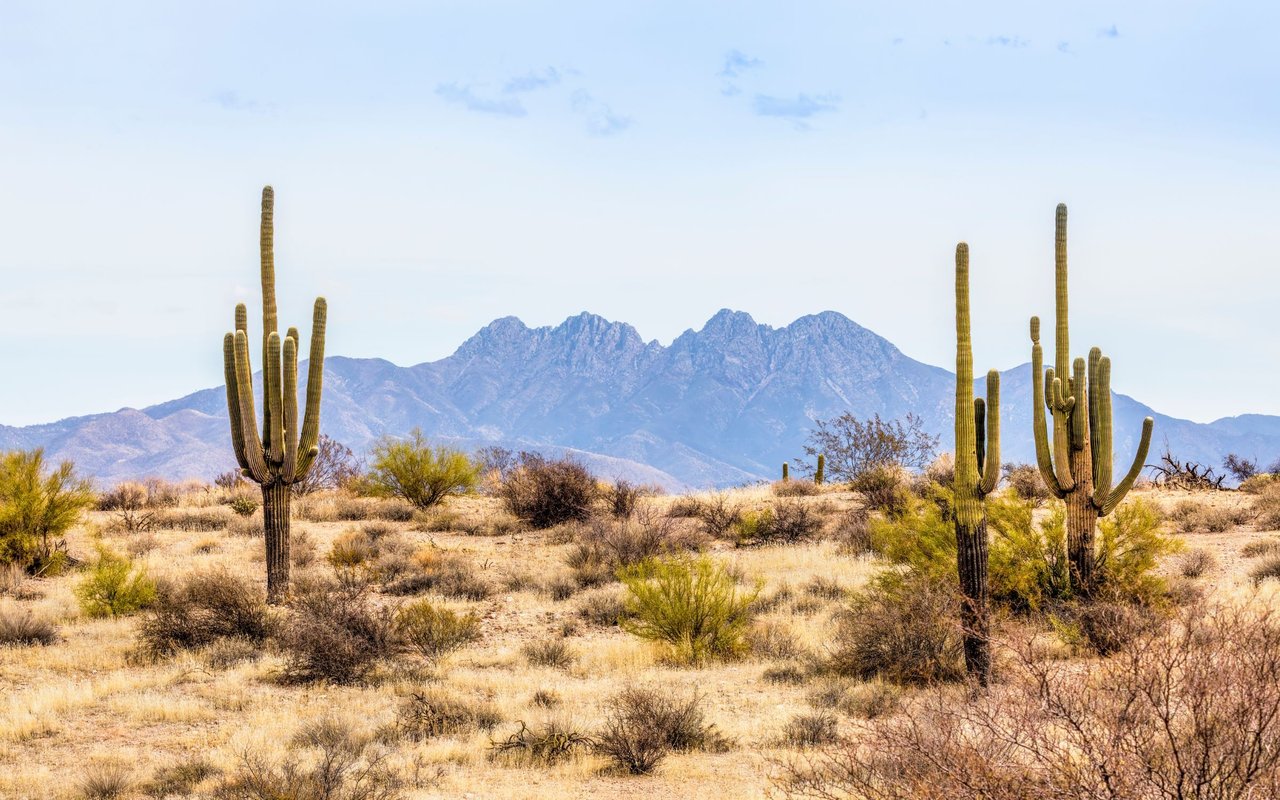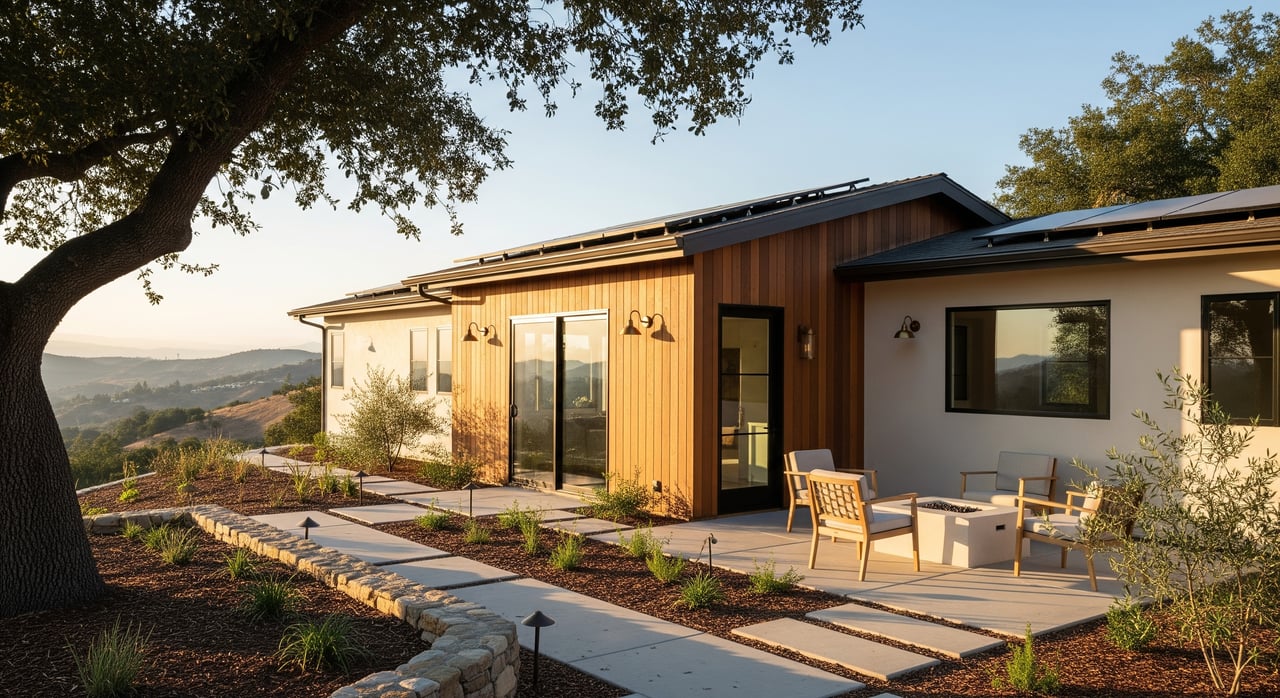
Thinking about turning extra space on your Acton property into rental income or a suite for family? An accessory dwelling unit can be a smart move here, but Acton’s semi-rural setting adds a few twists most city guides miss. Septic systems, wildfire rules, and county-level permits can change your budget and your timeline.
In this guide, you’ll learn how ADUs work in Acton, what they cost, how permits flow through Los Angeles County, and how to estimate value and rent. You’ll also get a practical checklist to start the process with confidence. Let’s dive in.
Why Acton ADUs are different
Acton is unincorporated Los Angeles County. That means your ADU is reviewed and permitted by county agencies, not the City of Los Angeles. Expect to work with the LA County Department of Regional Planning, Building and Safety, the Fire Department, and Environmental Health.
Many Acton homes use septic systems and private wells. That can affect feasibility, add design steps, and increase costs. A septic system may need an engineered upgrade before you add bedrooms or fixtures.
Acton also sits in a higher wildfire-risk area. County Fire may require defensible space, paved access or turnarounds, ember-resistant vents, fire-resistant exterior materials, and possibly sprinklers. Slopes, longer driveways, and irregular lot shapes can add grading or engineering.
ADU types and size basics
California sets the baseline, and LA County applies objective local standards. Always confirm parcel-specific limits with County Planning.
Detached ADU
- Typically allowed up to 1,200 sq ft under state law in many cases, subject to local standards.
- New free-standing structure. Most flexibility but highest construction cost per square foot.
Attached or conversion ADU
- Attached: connected to the primary home, often sized by a percentage of the main house under local rules.
- Conversion: created within existing space, such as a garage or part of the home. Often the most budget-friendly path.
Junior ADU (JADU)
- Up to 500 sq ft within the existing home. Requires a basic efficiency kitchen and other minimums.
Across all ADUs, you need a legal kitchen, a bathroom, and design that meets building codes and energy standards. If you plan to rent, design for durability and compliance from day one.
Acton feasibility checklist
Before you sketch floor plans, confirm the basics. This saves time and helps you budget accurately.
- Confirm you are in unincorporated LA County and identify your zoning.
- Check setbacks, height, coverage, and any overlays such as fire-hazard, hillside, or flood.
- Verify water and wastewater: municipal sewer vs septic. If septic, get a capacity assessment. If on a well, confirm water supply.
- Ask County Planning whether your parcel qualifies for ministerial ADU review and whether any special conditions apply.
- Request preliminary comments from County Fire on access, driveway width, turnarounds, and defensible space.
- Gather a recent survey or plot plan, site photos, and utility locations for early design talks.
- List any HOA or CC&R rules that might affect exterior design or parking.
Realistic costs in Acton
ADU budgets combine hard construction, soft costs, and site work. Acton’s septic and fire requirements can be the swing factors.
Hard construction costs
Common recent ranges in Los Angeles County:
- Basic detached new build: about $150 to $250 per sq ft
- Mid-range detached: about $250 to $400 per sq ft
- High-end/custom: $400+ per sq ft
- Conversions and attached units: often $80 to $250 per sq ft, depending on scope and existing conditions
Actual bids depend on finishes, structural needs, site access, and the labor market.
Soft costs and fees
Plan for 15 to 40 percent of hard costs for:
- Architectural and engineering design
- Title 24 energy compliance
- Plan check and permit fees
- Utility connection or meter fees
- Possible school fees and impact fees (some smaller ADUs receive reductions under state law)
Site-specific cost drivers in Acton
- Septic testing, engineering, and upgrades or replacement
- Well or water system work
- Long utility runs for power, water, or gas
- Driveways, paving, turnarounds, and access improvements for Fire
- Grading and retaining walls on sloped lots
A quick budget formula
- Pick your size. Example: 600 sq ft detached ADU.
- Multiply by a conservative local cost per sq ft. Example: 600 x $300 = $180,000 hard cost.
- Add soft costs at 20 percent. Example: $36,000.
- Add a 15 to 25 percent site contingency for septic, utilities, or grading. Example: 20 percent = $36,000.
- Total planning figure: about $252,000 before furniture, landscaping, or reserve for surprises.
Obtain at least two to three contractor bids to validate your numbers, and ask LA County departments for current permit and connection fee estimates.
Permits and timeline in LA County
ADUs that meet objective standards are reviewed ministerially, not through a discretionary hearing. Your application typically moves through several county agencies.
What you will submit
- Site plan with property lines, setbacks, all structures, and proposed ADU location
- Floor plans and exterior elevations
- Structural and foundation plans, and grading if needed
- Title 24 energy documentation
- Septic records or a sewer connection permit; water meter application if applicable
- Fire clearance request for access, defensible space, and potential sprinkler requirements
- Utility requests for electric and gas service if needed
Who reviews your plans
- County Regional Planning for zoning and ADU standards
- Building and Safety for plan check and permits
- County Fire for access, brush clearance, and fire protection
- Environmental Health for septic and on-site wastewater
- Utility providers for service capacity and interconnections
Timeline to expect
- Pre-application research: immediate to 1 to 2 weeks
- Design and engineering: 4 to 12 weeks or more
- Plan check after a complete submittal: many ADUs aim for 30 to 60 days, but with multiple agencies and corrections rounds, 2 to 4 months is common
- Construction and inspections: varies by scope; schedule inspections at foundation, framing, systems, and final
Planning ahead for Fire and Environmental Health reviews can prevent the largest delays.
Parking, utilities, and fire safety
- Parking: State law limits some local parking mandates, but in Acton many detached ADUs still need at least one off-street space unless a state exemption applies. Confirm with County Planning.
- Utilities: Coordinate early with your water provider, Southern California Edison, and SoCalGas for meter sizing and line extensions. Long runs add cost.
- Fire: Expect defensible space, brush clearance, and access requirements. Sprinklers or fire-resistant construction can be required depending on code and site conditions.
Value, rent, and ROI
ADUs can deliver value in three ways: rental income, improved flexibility for multigenerational living, and potential resale uplift. Results depend on your total cost and local rents.
Estimating rent and demand
Pull rental comps for similar unit sizes and condition in Acton and nearby markets such as Palmdale, Lancaster, and Santa Clarita. Consider parking, commute access, and outdoor space when comparing. A modest, well-designed unit with separate entry tends to lease faster and with fewer maintenance calls.
Running the numbers
- Estimate gross rent.
- Subtract operating expenses: insurance change, taxes on the new construction value, maintenance, utilities if you pay them, and any management.
- The result is net operating income (NOI). Divide NOI by your total project cost to get a simple yield, or divide cost by NOI for a payback period.
Value and appraisal
Appraisers may use sales comps with ADUs, income capitalization, and cost approaches. In higher-rent submarkets, a rentable unit can support a noticeable value bump, but uplift varies.
Taxes, insurance, and rental rules
- Property taxes: new construction is typically partially reassessed based on the value added by the ADU.
- Insurance: notify your carrier and update coverage for the new structure and liability.
- Rentals: long-term leases are straightforward. Short-term rentals face more regulation and possible transient occupancy tax. Check county rules before hosting.
Financing your ADU
- Cash or savings
- HELOC or home equity loan
- Cash-out refinance
- Construction loan that later converts to a fixed mortgage
- Renovation mortgages that include ADU improvements under certain conditions
- Private or specialty ADU lenders
- Periodic local or state programs offering grants or low-interest loans; availability varies, so check current offerings
Choose the option that matches your timeline and exit plan. If you plan to sell within a few years, focus on cost control and design choices that appeal to a broad buyer pool.
Your next steps
- Confirm your parcel’s jurisdiction and zoning with LA County.
- Determine sewer vs septic and get a capacity check if needed.
- Request early input from County Fire on access and defensible space.
- Define your ADU size and type, then speak with an architect or designer experienced with LA County plan check.
- Get two to three contractor bids and a preliminary permit fee estimate.
- Pressure test ROI with realistic rent comps and operating costs.
- Talk with your insurer and a tax professional about impacts.
If you want to understand how an ADU could affect your resale value, rentability, and timing in the Antelope Valley market, reach out to Maritza Arellano for local guidance and a free valuation conversation.
FAQs
Can I build an ADU on my Acton lot?
- Most residential parcels are potentially eligible, but feasibility depends on zoning, setbacks, septic capacity or sewer access, fire requirements, and site layout. Confirm with LA County Planning and Environmental Health.
How long do ADU permits take in LA County?
- After a complete application, ministerial reviews aim for speed, but with multiple agencies and corrections, 2 to 4 months for plan check is common, then construction and inspections.
How much does an ADU cost in Acton?
- Detached builds often range from about $150 to $400+ per sq ft, conversions from about $80 to $250 per sq ft, plus 15 to 40 percent for soft costs and any site-specific work like septic or driveway.
Do I need to provide parking for an ADU in Acton?
- Often yes for detached units, at least one off-street space unless a state exemption applies. Verify parcel-specific requirements with County Planning.
Will my property taxes go up if I add an ADU?
- New construction typically triggers a partial reassessment on the value added by the ADU. Check with the county assessor for your parcel.
Can I rent my ADU short term in Acton?
- Long-term rentals are common. Short-term rentals can face stricter county rules and possible transient occupancy taxes. Confirm current regulations before listing.
Do I need to live on the property to build an ADU?
- State laws have reduced many owner-occupancy requirements, but local rules can vary. Verify current LA County standards before you apply.