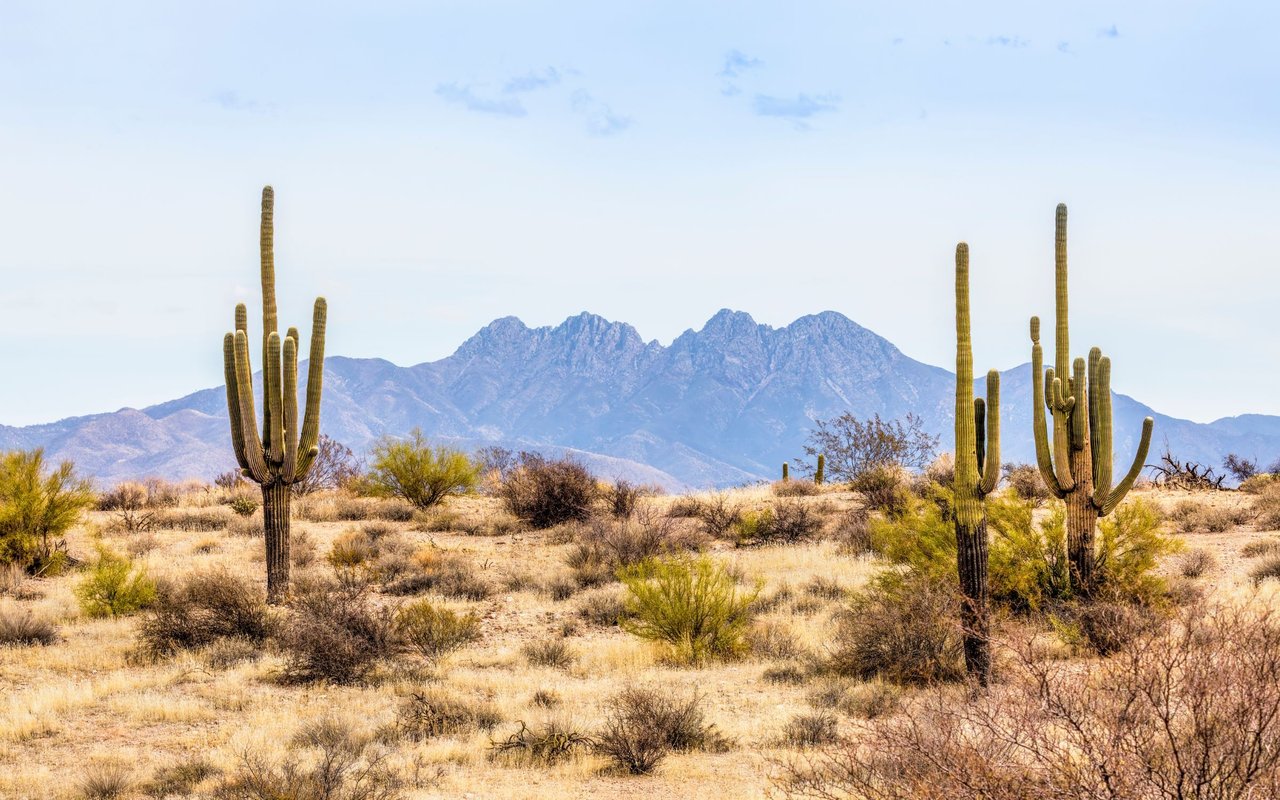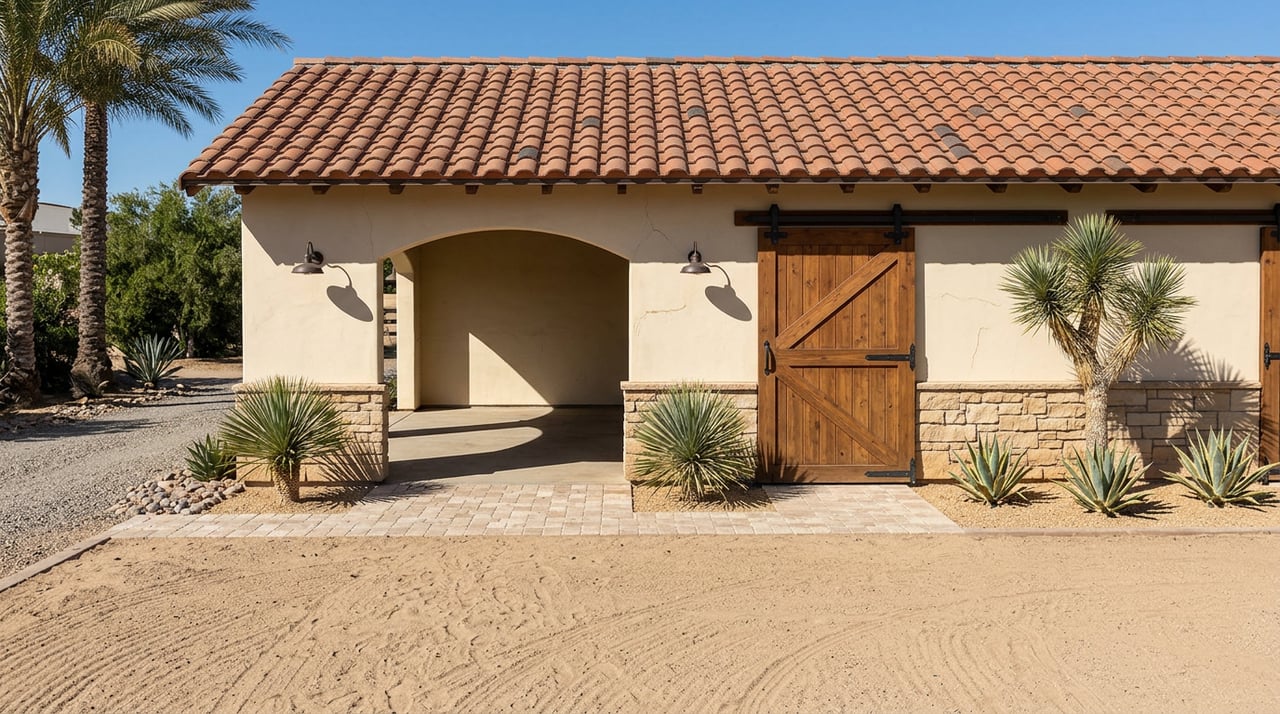
If your dream is to wake up to open skies, saddle up before breakfast, and keep your horses at home, Acton deserves a close look. This small, semi-rural pocket of northern Los Angeles County blends ranch living with practical access to jobs, services, and trails. In this guide, you’ll learn how to evaluate horse-friendly properties in Acton with confidence, from zoning and water to barns, wildfire rules, and daily logistics. Let’s dive in.
Why Acton works for horses
Acton has a long equestrian identity, supported by local programs like the community-run Acton Community Equestrian Center. You will see many listings marketed as “horse property,” from 1–5 acre ranchettes to larger agricultural parcels. Many come with barns, arenas, and pipe or rail fencing.
Commuting is possible. The Vincent Grade/Acton Metrolink stop offers a practical option for riders who work in the LA basin and prefer to keep the horse setup at home. Learn more about the station and parking at the county’s Vincent Grade/Acton Metrolink Station page.
Acton is unincorporated, so most rules come from Los Angeles County. The County recognizes equestrian neighborhoods and has zoning tools that support horse keeping. That is a major plus when you want to add or improve barns, arenas, or corrals.
Market snapshot and budget
Home values in Acton vary by parcel size, improvements, and condition. Public portals often report different numbers because they use different data windows. For example, in January 2026 one portal showed a median around $730,000, while another tracked average home values near $834,000 during the same general period. Treat those as broad context, not appraisals. For a property-specific view, you should always pull current local MLS comps and factor in permitted equine improvements.
Common parcel types include 1–5 acre ranchettes and larger tracts over 10 acres. Properties with permitted barns, a usable arena, reliable fencing, and a proven water source often command a premium compared to similar acreage sold “as is.”
Zoning and animal rules you must verify
Zoning in Acton falls under LA County rules. Much of the area is eligible for horse keeping, but each parcel is unique.
- Check the equestrian overlay. The County maintains an “Equestrian District” overlay that changes what you can build and keep on a property. Confirm the parcel’s status using the County’s DRP GIS layers for Title 22 and by speaking with County planners.
- Review animal regulations. LA County handles animal-keeping thresholds, licensing, and public-health rules under Title 10. If you plan to keep multiple horses, breed, or host limited lessons, review the County animal regulations and confirm whether any licenses or permits apply.
- Confirm permits. Permanent barns, arenas, accessory structures, and septic systems need proper permits. Start early with LA County Building & Safety and Environmental Health so you know what is already permitted and what you may add later.
Water, utilities, and wildfire realities
Your water source is central to horse care and fire safety. Some Acton properties are inside Los Angeles County Waterworks District No. 37. If so, you may have metered service and nearby hydrants. If not, a private well or hauled water could be your only option. Verify service boundaries and water quality using County resources like the Waterworks 37 documents, including historic reports such as the Acton water quality report, and request well logs, production tests, and tank capacities from the seller.
Acton sits in the wildland-urban interface. Many parcels fall within High or Very High Fire Hazard Severity Zones, which trigger defensible-space and brush-clearance requirements. Start by reviewing CAL FIRE’s overview of Fire Hazard Severity Zones, then confirm parcel-specific rules with the County. If you plan new construction or major remodels, study the County’s Community Wildfire Protection Ordinance to understand fuel modification and mitigation standards.
What to look for on tours
Shopping for a horse property is different from a typical home tour. Use this quick guide to focus your walk-throughs and inspections.
Barns and stalls
Barns in Acton range from center-aisle stables to run-in sheds and simple lean-tos. Look for solid stall construction, good ventilation, safe wiring, and dry footing in and around the barn. Ask if hay is stored above stalls, which can add fire risk. Bring a simple barn checklist that covers roofing, lighting, exits, and drainage. For horse well-being expectations statewide, review UC Davis’s guide to minimum standards of horse care.
Stall sizes commonly range from 10×10 to 12×12 for most riding horses, with larger spaces for bigger breeds. Aisle widths should allow safe handler movement. If the property includes an arena, ask who designed it, how the base and footing were built, and whether there is a maintenance plan.
Fencing and paddocks
Preferred fence types for horses include wood post-and-rail, welded pipe, or smooth horse-safe wire. Avoid broken boards and barbed wire. Check post spacing, gate widths, and whether paddocks have shelter and clean, accessible waterers. Walk fence lines to look for snags, gaps, and protrusions.
Watering and waste
Barns and paddocks need convenient hydrants or automatic waterers, with clear lines from the home’s water source. Confirm freeze protection where relevant for the local climate, and note any filtration. Ask where manure is stored and how often it is removed or composted. Also check the distance to property lines and dwellings to limit nuisances.
Trailer access and services
Confirm that your truck and trailer can reach the barn, park safely, turn around, and exit without risk. Measure gate widths, turning radii, and overhead clearance. If access involves private roads, bridges, or rail crossings, clarify maintenance obligations, weight limits, and right-of-way.
Red flags to avoid
- Unpermitted barns or arenas, or missing septic and well documentation
- Very High Fire Hazard designation with no visible defensible space or mitigation plan, as highlighted in CAL FIRE’s FHSZ guidance
- Damaged or unsafe fencing such as barbed wire
- No safe trailer turnaround or difficult emergency access for vets and farriers
Local care and daily logistics
Horses need a dependable local ecosystem. In Acton and nearby communities, you will find ambulatory equine veterinarians, farriers, trainers, and boarding barns. As one example, a mixed and large-animal practice serving the canyon area is Sweetwater Veterinary Clinic. Ask which vets accept new ambulatory clients and what their emergency protocols are.
Plan your hay and bedding sourcing. Regional suppliers serve the Santa Clarita and Antelope Valley corridor. Prices and availability can shift with drought and winter transport, so set a delivery or pickup routine, confirm storage, and budget for seasonal changes.
Even if you plan to keep horses at home, consider having a backup boarding or lay-up option for travel, pasture rest, or training. Local programs and community barns can also be great places to plug into the equestrian scene.
How Acton compares nearby
- Agua Dulce. Similar rural character and strong equestrian presence. Many listings show larger ranch parcels and established facilities. Buyers seeking bigger acreage with trail access to destinations like Vasquez Rocks often include Agua Dulce in their search.
- Santa Clarita. More suburban services, including veterinarians, feed stores, tack shops, and trainers. Parcels are often smaller, but some neighborhoods offer good equestrian infrastructure and more commuter-friendly access.
- Palmdale and Lancaster. Typically more affordable land with easier-to-find large, flat parcels. Distances to certain specialized equine services may be longer depending on the exact location.
Use current MLS comps for any direct price comparisons and verify whether each property’s equine improvements are permitted or sold “as is.”
Due-diligence checklist for buyers
Before you write an offer, work through this list for each property:
- Confirm zoning and any equestrian overlay with LA County’s DRP GIS Title 22 layers and speak to County planners about allowed uses and setbacks.
- Ask the seller for permits on barns, arenas, accessory buildings, and any past septic or well work, then verify with LA County Building & Safety and Environmental Health.
- Verify the water source. If the property is within Waterworks District 37, request meter records and hydrant locations. If not, request well logs, production and potability tests, and tank capacities. County resources such as the Waterworks 37 Acton report can provide background.
- Check the parcel’s Fire Hazard Severity Zone using CAL FIRE resources, then ask for any fuel-modification plans, brush-clearance notices, and inspection records. Review the County’s Community Wildfire Protection Ordinance if you intend to build or remodel.
- Confirm emergency access and trailer maneuverability. Measure gate widths, driveway grades, overhead clearance, and turning radii. Clarify private road maintenance, easements, and any HOA or shared-road agreements.
- Inspect fencing, drainage, arena footing, and manure-management areas. Ask who currently services the property for vet, farrier, and feed deliveries, and request maintenance notes.
- If you plan any lessons, clinics, or part-boarding, review LA County animal regulations to see if your activity needs additional licensing or permits.
Next steps
Acton offers a rare blend of elbow room, community, and convenience for horse owners. With the right due diligence, you can find a property that supports safe care, smooth hauling, and everyday riding at home. If you want help verifying zoning, water, fire requirements, and barn quality, lean on a local team that knows the Antelope Valley and moves fast for buyers.
Ready to explore Acton horse properties and compare options nearby? Connect with Maritza Arellano for a friendly, no-pressure strategy call. We can walk your wish list, map your due diligence, and move quickly when the right property appears.
FAQs
What zoning allows horses in Acton?
- Most of Acton follows LA County rules, including an Equestrian District overlay in Title 22. Verify your parcel’s status using the County’s DRP GIS layers and by speaking with County planners.
How do I confirm water service for a ranch in Acton?
- Ask if the property is inside Los Angeles County Waterworks District No. 37, then request meter records and hydrant locations; if on a well, request well logs, production tests, and potability results.
What wildfire rules apply to Acton horse properties?
- Many parcels sit in High or Very High Fire Hazard Severity Zones that require defensible space and brush clearance; review CAL FIRE’s FHSZ guidance and the County’s Community Wildfire Protection Ordinance.
What barn features matter most during a tour?
- Look for safe stall construction, ventilation, sound wiring, clean drainage, and noncombustible hay storage; confirm arena base and footing, and review UC Davis’s minimum standards of horse care.
Is commuting from Acton realistic for LA jobs?
- The Vincent Grade/Acton Metrolink stop gives some buyers a workable commuter option; still confirm your route, parking, and schedule to see if it fits your day.
How does Acton compare to Agua Dulce or Palmdale/Lancaster?
- Agua Dulce often offers larger ranch parcels, Santa Clarita provides more equestrian services with smaller lots, and Palmdale/Lancaster can offer more affordable, larger flat parcels depending on location.